- The Baking Sheet
- Posts
- The Baking Sheet - Issue #284
The Baking Sheet - Issue #284
The Top 5 games on Tezos

Hello Tezos community, it is a brand new week, and with December now underway we are kicking off the month with a spotlight on one of the clearest signals that Tezos gaming continues to accelerate. PlayToEarn released its list of the top five Tezos games for 2025, and the roundup shows just how broad and competitive this ecosystem has become. From casual farming and competitive puzzle battles to mobile RPGs and a large-scale online shooter from a veteran studio, Tezos now has a catalog that reflects years of steady progress.
On the governance front, Tallinn has officially entered the exploration phase with a strong early turnout. Bakers now have eight days to keep momentum moving so the proposal can advance to the next step of the governance cycle. If adopted, Tallinn will bring another set of meaningful improvements that strengthen performance and keep Tezos on the trajectory we have been tracking all year.
In the broader ecosystem, KuCoin’s latest KuTalks episode sat down with Arthur Breitman for a thoughtful discussion on trust, tokenization, and why gaming may be the gateway to the next hundred million users. And the Tezos Ecosystem DAO has a new proposal on the table, aimed at strengthening NFT permanence through a community-driven backup node.
Let’s get into it.

PlayToEarn Highlights the Top Five Games on Tezos
PlayToEarn released its list of the top five games on Tezos this week, and the selection paints a clear picture of an ecosystem that is maturing in both creativity and depth. These titles span casual farming, competitive puzzles, classic RPG design, tactical battles, and large scale multiplayer worlds, each one showing a different perspective on what on-chain optionality can enable.

AppleVille continues to lead the pack. Built on Etherlink, it offers a simple loop that keeps players engaged season after season. You tend your farm, upgrade your plots, and accumulate Apple Points that determine your share of each seasonal reward pool. It is calm on the surface, but the competitive push beneath it has become a major draw for players.

Sugar Match, part of the broader SugarVerse world, takes the opposite approach. It is quick, competitive, and designed around real stakes. Three players enter each match, each paying an entry fee, and the winner walks away with the entire pot in CNDY tokens. Seasonal tournaments and leaderboards keep the pace steady, and the game continues to refine what play to earn can look like when built around skill rather than repetition.
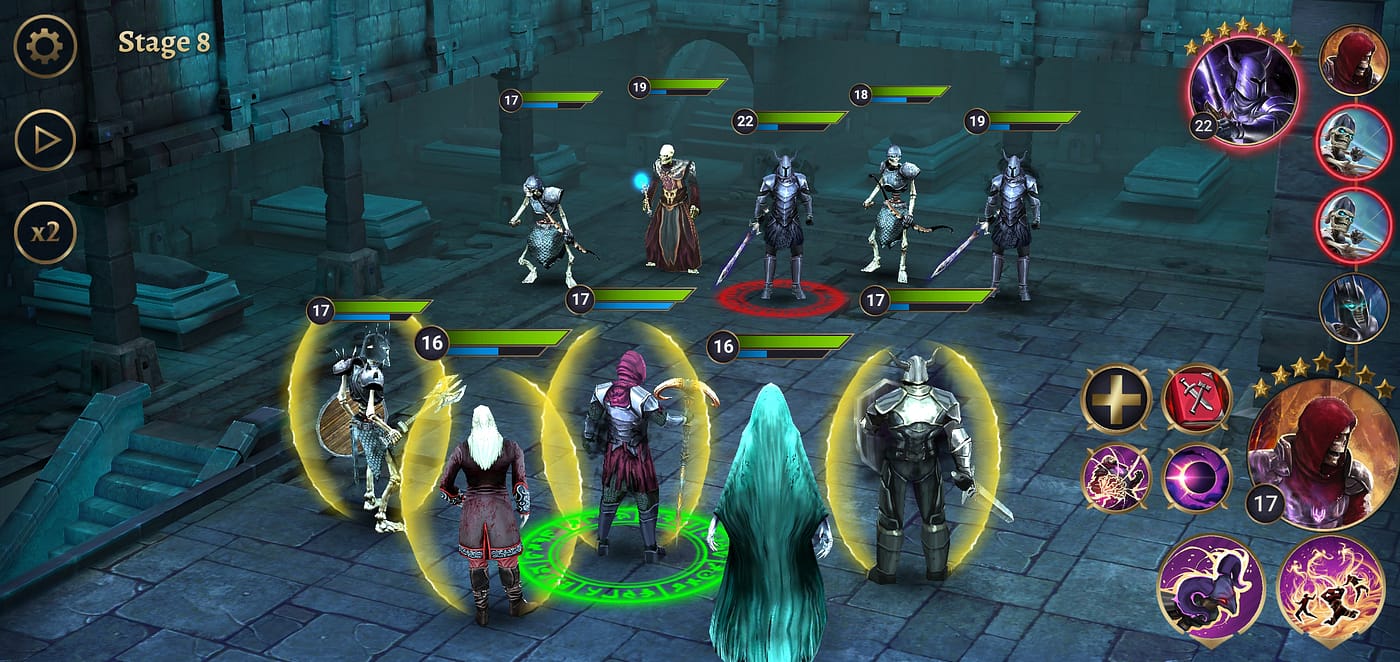
BattleRise brings a more traditional fantasy structure to Tezos gaming. Set in the world of EOS, players form a party and work their way through turn based encounters, shrines, blessings, and story driven choices. It is a reminder that good RPG design still holds up, especially when the weight of each decision directly affects how a run unfolds.

BattleTabs remains one of the most accessible games in the ecosystem. Its tactical, bite sized battles have earned a loyal audience, and the simplicity of its design is a large part of its strength. It is easy to pick up, but difficult to master, and that balance has kept the community active across daily and weekly challenges.
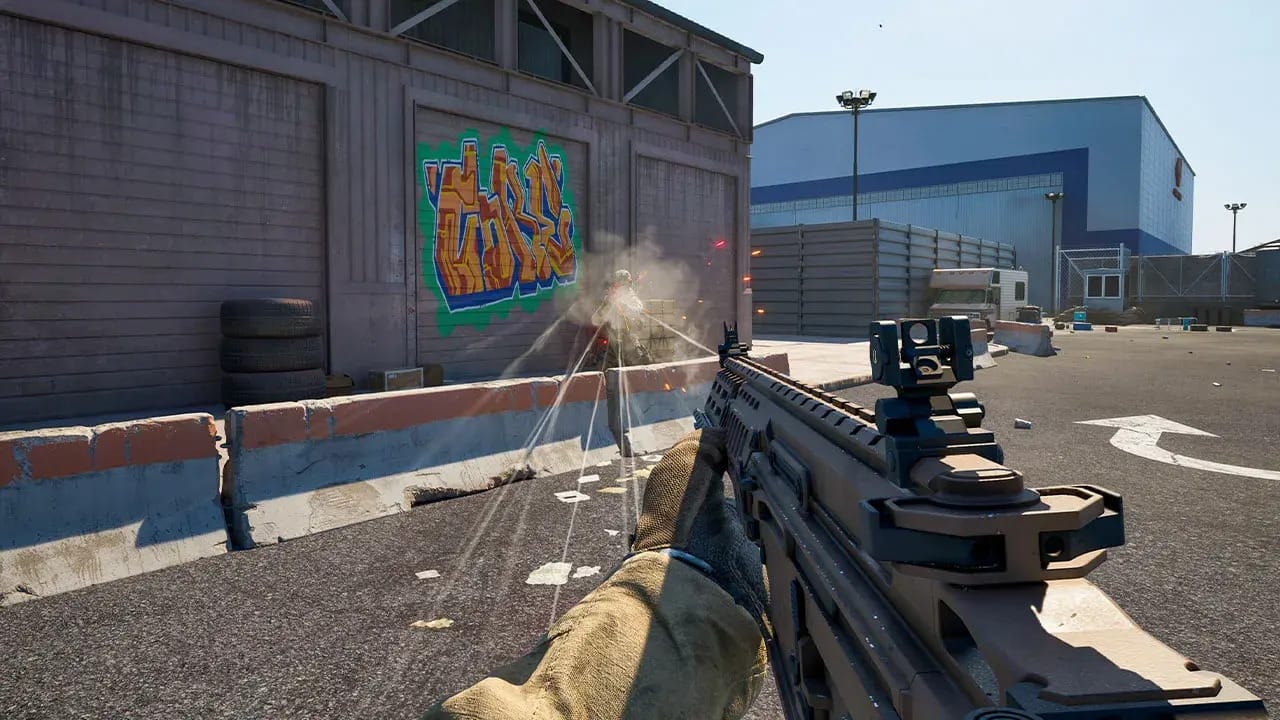
Reaper Actual rounds out the list with something entirely different. Built on Etherlink by the team at Distinct Possibility Studios, it places players on the island of Marova, a real time world that keeps moving even when they log off. Bases can be raided, factions shift across the map, and missions often collide as squads pursue their own objectives. The game supports on chain ownership through its custom launcher while also offering a fully traditional version on Steam and the Epic Games Store, a dual path that aims to bring new players into the ecosystem on their own terms.
Taken together, the list reflects a wider trend. Tezos gaming is no longer defined by a single genre or a single audience. It is a mix of casual, competitive, and ambitious projects that each contribute to a healthier ecosystem.

PlayToEarn has opened voting for its Blockchain Game Awards, and Tezos is in the running for Best Ecosystem. If you want to support the growth you see here, voting is now open below.
Tallinn Governance Update: Exploration Phase Underway
After spending time looking outward at how Tezos is being recognized across the industry, it feels right to turn back to the protocol work shaping what comes next. The Tallinn upgrade has now officially entered the Exploration phase, clearing the proposal period with strong early support.
Bakers are encouraged to get their votes in, as the window to participate is already ticking down. There are eight days left in the Exploration phase, and participation currently stands at 37.40 percent. To advance to the next stage of the governance cycle, the network needs to reach 50.59 percent, so the community still has meaningful ground to cover.
If you need a quick reminder of what Tallinn delivers, here are the highlights.
1. Six-second block time
Tallinn continues the performance path we saw with Paris and Quebec. Layer 1 block time is lowered again, this time from 8 seconds to 6. The benefits are immediate:
smoother transactions on Layer 1
12-second finality
faster data availability for Etherlink and other L2s
quicker bridging and interchain operations
Importantly, this is achieved without increasing hardware requirements for bakers. Accessibility and decentralization remain intact.
2. All bakers attest every block once tz4 adoption passes 50 percent
Seoul introduced BLS aggregation. Tallinn takes the next step by allowing every baker to attest in every block once half of the network has migrated to tz4 addresses.
This brings:
stronger network security
predictable attestation rewards
lower load on nodes
a simplified consensus path
room for even shorter block times in future upgrades
Ledger devices cannot sign BLS fast enough, so bakers preparing for tz4 are encouraged to use the Tezos RPi BLS Signer, TezSign, or Signatory.
3. Address Indexing Registry
Tallinn introduces a global registry that stores each address once and assigns it a compact numeric ID. For large ledgers and NFT collections, storage can be reduced by 50 to 100 times.
That means:
lower contract storage costs
less on chain duplication
higher throughput
slower long-term storage growth
This feature will also be available on Tezlink, bringing the same efficiency improvements to the Michelson based Layer 2 environment.
With voting now underway, bakers who plan to participate are encouraged to cast their ballots early so Tallinn can continue moving through the governance cycle on schedule.
As always, you can follow the proposal’s progress on Tezos Agora.
This Week in the Tezos Ecosystem
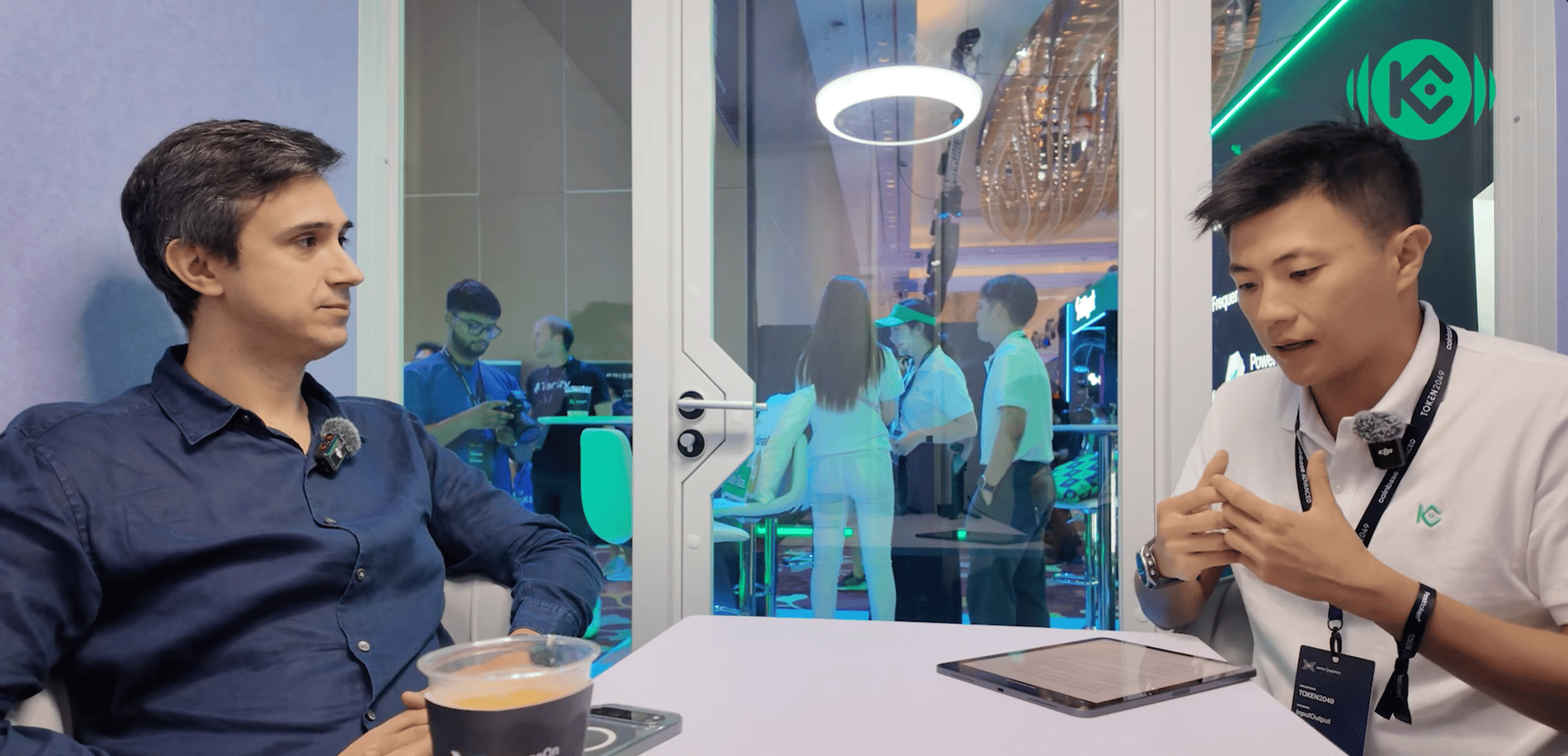
KuTalks Episode with Arthur Breitman: Trust, Governance, and the Path to 100 Million Users
Switching to updates from across the ecosystem, this week brought a thoughtful deep dive with Arthur Breitman that cuts right to the heart of where Tezos is heading next.
KuCoin’s KuTalks series welcomed Arthur Breitman for an episode that feels especially timely given everything happening across the ecosystem. Instead of staying at the surface level, the conversation goes straight into the fundamentals that have defined Tezos from its first day: credible governance, security through good design, and building trust not by marketing claims but by consistently shipping upgrades and maintaining a spotless security record for seven years.
Arthur’s discussion covers a wide range of themes, including:
Why real trust takes time and how Tezos demonstrates reliability through continuous upgrades rather than external audits
How blockchain security differs from exchange security, and why decentralization and cryptography are more durable than policy-based models
Lessons from past slashing events, including how community-driven governance and safeguards have evolved as the network matured
The importance of binding on-chain commitments, and how that differs from discretionary decisions like exchange listings
Adaptive issuance, and how it lowers inflation, supports DeFi, and improves economic efficiency
Why tokenizing high-impact assets like uranium is more interesting than traditional financial products, and how unconventional markets may define the next wave of on-chain finance
The future of capital formation on blockchain, with Tezos positioned as a place where global fundraising and equity issuance can become practical and open
Gaming as a gateway to mass adoption, highlighted by the work happening around Reaper Actual and other titles building on Etherlink
The strategic role of exchanges in distribution and how platforms like KuCoin can help bring Tezos to broader audiences
The episode is a reminder that while Tezos is known for technical execution, the deeper story is about building systems people can rely on. It is also one of Arthur’s clearest explanations of why tokenization, governance, and long-term trust matter more than any short-term narrative.
Watch the full episode on YouTube.

A New Tezos Ecosystem DAO Proposal: Porcupin and the Future of NFT Permanence
After a conversation rooted in governance, trust, and long-term thinking, it feels fitting that this week’s ecosystem updates include a project focused on preservation. The Tezos Ecosystem DAO has a new proposal up for vote, and it is one that speaks directly to the long-term health of the NFT community.
The proposal, titled Porcupin, is led by FAFOlab, skllzarmy, and TransparentArt. It outlines a simple but important idea: build a modern backup node that protects the media behind Tezos NFTs. Ownership is permanent on-chain, but images, metadata, and files still live on IPFS, and those files only stay available as long as someone is pinning them. If a gateway goes offline or a service stops hosting content, an NFT can drift into a kind of cultural dead zone where the asset technically exists but no longer displays.
Porcupin is designed to prevent that. It connects directly to the Tezos blockchain, detects NFTs associated with selected wallets, and automatically repins their assets to IPFS so they remain available. The goal is to give both creators and collectors a self-hosted, dependable way to preserve the media that underpins their work.
The team behind the proposal has a strong track record of building open-source tools for the community. Their plan includes desktop and server deployment, Raspberry Pi support, a clear release schedule, and a year of ongoing maintenance. It is a practical project with a direct benefit to the ecosystem’s cultural history and the permanence of its artwork.
The DAO is using tez-based voting on Tezos Homebase, and the proposal will pass if it reaches a 70 percent supermajority by the end of the voting period.
If you want to read the full discussion, you can find it here.
You can vote for the proposal here.

🔴 Now Streaming: When AI Meets Ownership | How Sogni and Tezos Are Giving Creativity Back to People
This week on TezTalks Live, host Stu welcomes Mauvis Ledford, CEO and Co-Founder of Sogni, the creative AI platform working to rebalance the relationship between creators and machine intelligence. Mauvis joins us to talk about Sogni’s early momentum, its roots in the Fortify Labs Startup Studio, and why Tezos and now Etherlink have become home for their mission.
Our guest is Mauvis Ledford, artist, technologist, and co-founder of Sogni, where he leads a team building an AI platform grounded in fairness, transparency, and meaningful creative agency.
🔍 In this episode, we explore:
What inspired the creation of Sogni and the artistic background that shaped its vision
Why Tezos and Etherlink were natural choices for a responsible, creator-centric AI platform
How Fortify Labs helped turn an idea into a full product ready for market
What it felt like to launch Sogni and watch its community grow past 80,000 users
How Sogni’s supernet works — and how anyone can participate by sharing idle compute
The role of Sogni tokens and how they support a fairer creative economy
Why alternatives to centralized AI systems are urgently needed
The most important philosophical questions facing AI in 2025
How AI and Tezos can shape the future of artistic expression
What’s ahead for Sogni as it moves into 2026
Watch the full episode on YouTube.