- The Baking Sheet
- Posts
- The Baking Sheet - Issue #285
The Baking Sheet - Issue #285
Shield your tez.

Hello Tezos community! As December settles in and the year begins its final stretch, this week arrives with the kind of quiet momentum that reminds us why Tezos continues to feel steady, focused, and forward-leaning. The past few days brought meaningful updates across privacy, governance, and real-world adoption, and each one tells its own part of the larger story that has been unfolding all year.
We start with a feature many people have been waiting for. Umami has officially switched on shielded transactions, giving Tezos users a simple way to send funds privately without changing how they interact with the network. It is practical, thoughtful, and very Tezos in spirit.
Meanwhile, governance keeps its rhythm. Tallinn just crossed quorum with strong participation and unanimous support, placing it one step closer to activation. With the cooldown period approaching, the community is already looking ahead at what this upgrade unlocks in the months to come.
And beyond protocol work, Tezos continues to show up in the world in ways that feel both surprising and absolutely logical. Lyzi just enabled crypto payments at Porsche and Lamborghini dealerships across Europe. Arthur Breitman delivered another deep and wide-ranging interview, this time on the CryptoNews Podcast. And the ecosystem saw more signs of growth through new tools, new conversations, and new integrations.
It feels like the kind of week where all the pieces line up and point toward a very clear direction.
Let’s get into it.

Shielded Transactions Arrive on Umami Wallet
This week brings a major quality-of-life upgrade for anyone who prefers a little more discretion when moving funds on Tezos. After months of tinkering, testing, and quietly hinting at what was coming, Umami Wallet has rolled out shielded transactions, giving users a private way to move tez while staying fully native to the network.
On most blockchains, every transfer is visible: amounts, addresses, movements, all laid out in the open. Umami’s new shielding flow switches that model entirely. Powered by Sapling, the same cryptographic protocol first developed by the Zcash team and fully integrated into Tezos, users can now send tez in a way that keeps transaction details confidential and decide exactly who can view them.
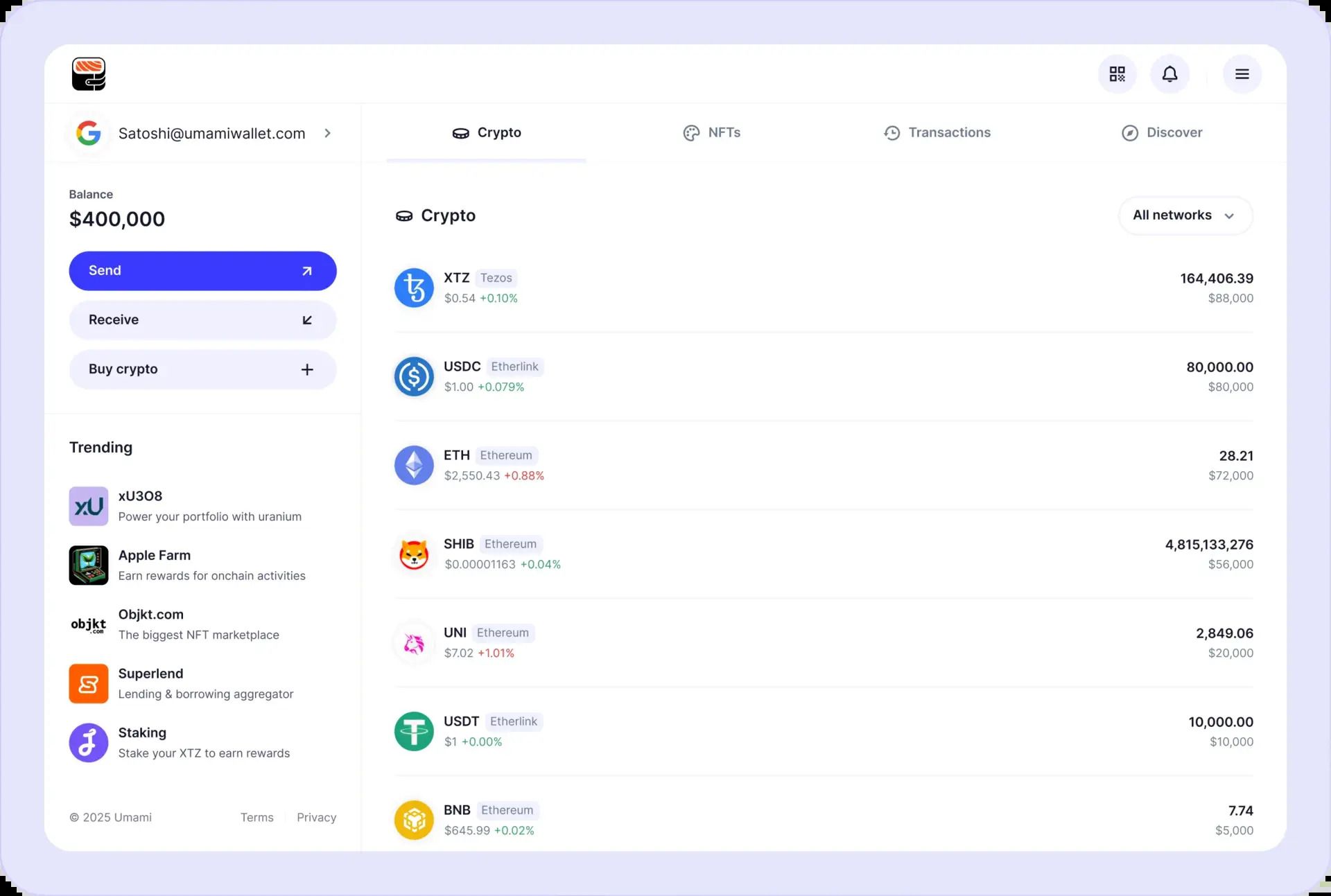
The feature fits naturally into Umami’s clean, minimal interface. There are no complicated settings to configure and no obscure steps to memorize. You shield your tez, you send it, and the wallet handles the rest. It’s the kind of simple, thoughtful addition that makes a difference without adding friction.
For Tezos users who want a wallet that balances strong UX with powerful features under the hood, this is a meaningful move forward. Privacy on Tezos has always been available at the protocol level, but giving people a straightforward way to use it in everyday transactions is how it becomes part of the ecosystem’s rhythm.
You can try shielded transactions now on Umami.
Tallinn Hits Quorum and Moves Forward
Coming off the excitement of seeing privacy finally arrive in a clean, intuitive way through Umami's new shielded transactions, it feels fitting to shift our attention back to the foundation that makes these kinds of upgrades possible in the first place. Tezos governance has been quietly moving through its next chapter, and the results this week were impossible to miss.
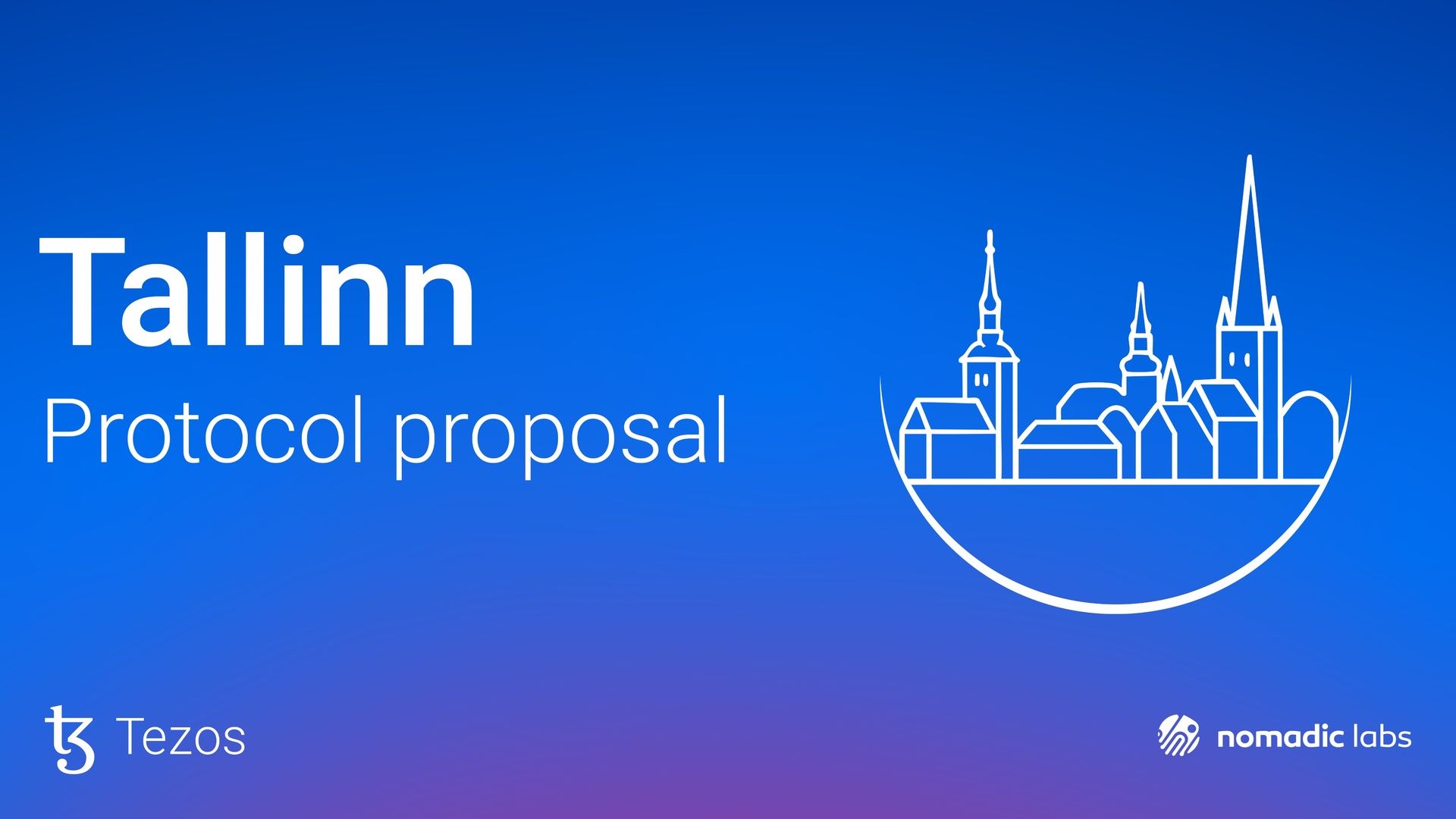
Momentum around the twentieth Tezos protocol upgrade continues to build. After clearing the proposal phase with ease, Tallinn entered the Exploration Vote this week and immediately surged past every required threshold. Participation has now exceeded 56 percent, comfortably above the quorum target, and the supermajority stands at a full 100 percent.
With those numbers locked in, Tallinn is set to advance to the next step of the governance cycle. In one day, the proposal transitions into the cooldown period before heading toward the Promotion Vote.
If adopted, Tallinn introduces key upgrades that tighten performance on Layer 1, improve security through full baker participation in attestations once tz4 adoption is high enough, and deliver a leaner storage model through the new Address Indexing Registry. It represents another step toward the broader Tezos X roadmap and the kind of technical refinements that make a noticeable difference for builders and users.
For now, it is encouraging to see validators showing such clear alignment. Bakers who have not yet participated can still submit their ballots as the vote remains open until the phase closes.
As always, you can follow the progress and voting activity live on Tezos Agora.
This Week in the Tezos Ecosystem

Tezos-Based Lyzi Brings Crypto Payments to Porsche and Lamborghini
After a week where governance progress and protocol engineering took center stage, it feels refreshing to shift over to something that shows Tezos’ impact in a much more visible, everyday way. Not everyone reads changelogs or follows quorum dashboards, but everyone understands what it means when a technology suddenly becomes part of a luxury purchase experience. And this week, Tezos quietly found its way into exactly that moment.
French fintech Lyzi, built on Tezos, has expanded its reach across Europe in a way that turns heads even outside crypto circles. Two major luxury car dealerships, Porsche Centre Montpellier, and Lamborghini Bordeaux, now accept cryptocurrency payments directly through Lyzi. Customers can walk in and purchase a vehicle using tez, bitcoin, stablecoins like EURC and USDC, or any of the eighty supported assets.
Dealerships receive instant euro conversion with no exposure to price swings, while customers enjoy a clean wallet-based checkout. That combination of simplicity, speed, and compliance is exactly what real-world payments need if they’re going to scale beyond niche use cases.
Lyzi’s momentum doesn’t stop with luxury vehicles. The company is also partnering with Doctors of the World, enabling crypto donations for humanitarian programs across more than eighty countries. With a regulated EU environment in place, the organization sees crypto as a new channel for global fundraising, a way to reach donors in places where traditional payment rails come with friction or barriers.
Built on Tezos, Lyzi now connects to more than one million payment terminals throughout Europe, and the list of partners keeps growing. From high-end retailers to Monaco hospitality groups, the network is quietly stitching together a modern payments layer powered by fast settlement and security guarantees that matter for institutions.
As Nomadic Labs’ David Relkin put it, “By building on Tezos, Lyzi ensures users benefit from rapid settlement and best-in-class security.” It is one thing to talk about sovereign financial rails in theory; it is something else to see them touching both luxury commerce and humanitarian relief in the same week.
Lyzi plans to expand further in 2026, and if this trajectory holds, Tezos-backed payments are going to show up in more everyday contexts than most people expect.
Arthur Breitman on CryptoNews: A Wide-Angle Look at Tezos, Security, and the Future of Blockchains
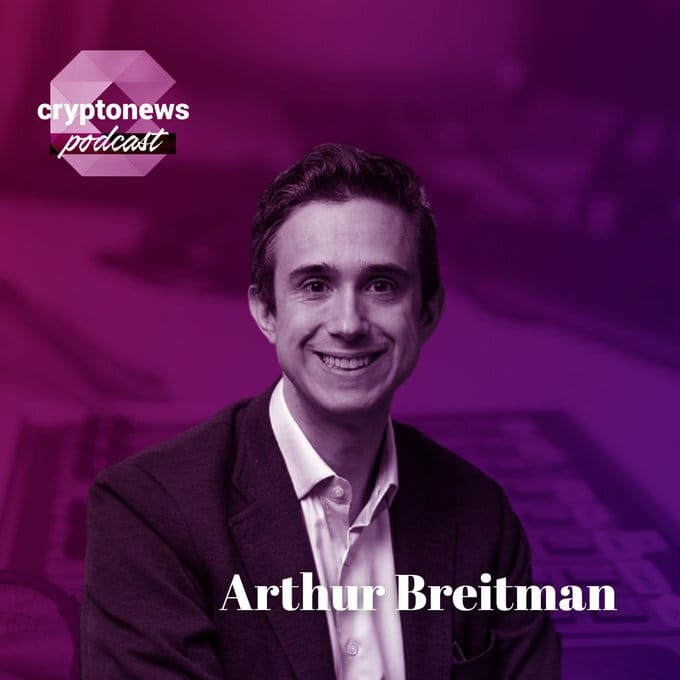
After watching Tezos show up in the real world through payments, gaming, and governance, this week also brought a deeper look at the ideas guiding the ecosystem forward. Arthur Breitman sat down for a new episode of the CryptoNews Podcast, and the conversation covers more ground than almost any recent interview of his.
The episode begins with tokenized uranium and why bringing meaningful, hard-to-access assets on-chain creates far more value than the usual tokenized treasuries. Arthur also unpacks the real implications of quantum computing for Bitcoin, and why proof of stake holds up as the most balanced consensus model for long-term security.
The interview moves from technical reality to community culture. Arthur reflects on how Tezos became known as a home for artists, and why that reputation was earned through consistent behavior and not marketing. He also highlights what makes Tezos rare in this industry. The network has completed 19 upgrades without a hard fork, which gives developers and users a reliable foundation that still evolves at a steady pace.
Other topics include Tezos’ EVM layer, how the Data Availability Layer fits into the long-term architecture, and the broader vision for a modular ecosystem that is both flexible and durable.
It is a thoughtful conversation that captures why Tezos continues to be shaped by both engineering rigor and creative ambition.
Listen now on Spotify or Apple Podcasts.

🔴 Now Streaming: When AI Meets Ownership | How Sogni and Tezos Are Giving Creativity Back to People
This week on TezTalks Live, host Stu welcomes Mauvis Ledford, CEO and Co-Founder of Sogni, the creative AI platform working to rebalance the relationship between creators and machine intelligence. Mauvis joins us to talk about Sogni’s early momentum, its roots in the Fortify Labs Startup Studio, and why Tezos and now Etherlink have become home for their mission.
Our guest is Mauvis Ledford, artist, technologist, and co-founder of Sogni, where he leads a team building an AI platform grounded in fairness, transparency, and meaningful creative agency.
🔍 In this episode, we explore:
What inspired the creation of Sogni and the artistic background that shaped its vision
Why Tezos and Etherlink were natural choices for a responsible, creator-centric AI platform
How Fortify Labs helped turn an idea into a full product ready for market
What it felt like to launch Sogni and watch its community grow past 80,000 users
How Sogni’s supernet works — and how anyone can participate by sharing idle compute
The role of Sogni tokens and how they support a fairer creative economy
Why alternatives to centralized AI systems are urgently needed
The most important philosophical questions facing AI in 2025
How AI and Tezos can shape the future of artistic expression
What’s ahead for Sogni as it moves into 2026
Watch the full episode on YouTube.